Restoration Resources & Homeowner Guides

  • Water Damage Restoration at a Corona, CA Rental Property Before Tenant Move-In

    Water Damage Restoration at a Corona, CA Rental Property Before Tenant Move-In

    A major water leak inside a rental property can create serious complications—especially when new tenants are preparing to move in. Flooring may look dry from the surface while moisture remains trapped underneath, potentially affecting the underlayment, subfloor, baseboards and nearby walls.

    Hurry Restoration was recently contacted by the owner of a rental property in Corona, California, after a major leak affected laminate flooring and carpeted areas. The owner called before the new tenants moved in so the damage could be professionally inspected and the property could be evaluated before occupancy.

    For property owners and managers, this situation demonstrates why water damage should be addressed immediately, even when the visible water has already been removed.

    Quick Answer: What Should a Corona Property Owner Do After a Major Leak?

    After discovering water damage, safely stop the water source if possible, photograph the affected areas, avoid removing materials before documentation is completed and schedule a professional moisture inspection immediately.

    Laminate flooring and carpet can conceal moisture underneath their visible surfaces. Professional moisture testing helps determine whether the flooring, carpet padding, subfloor, baseboards or walls have been affected.

    If the loss may be covered by insurance, the property owner should also notify the carrier promptly and preserve photographs, inspection findings and restoration documentation.

    Corona Rental-Property Water Damage: Project Overview

    This property was being prepared for new tenants when the owner discovered that a major leak had affected multiple flooring materials.

    The visible damage involved:

    • Laminate flooring
    • Carpeted areas
    • Materials underneath the finished flooring
    • Potentially affected adjoining building materials

    Because the property was between occupants, the owner had an important opportunity to have the damage evaluated before furniture and tenant belongings were moved into the affected areas.

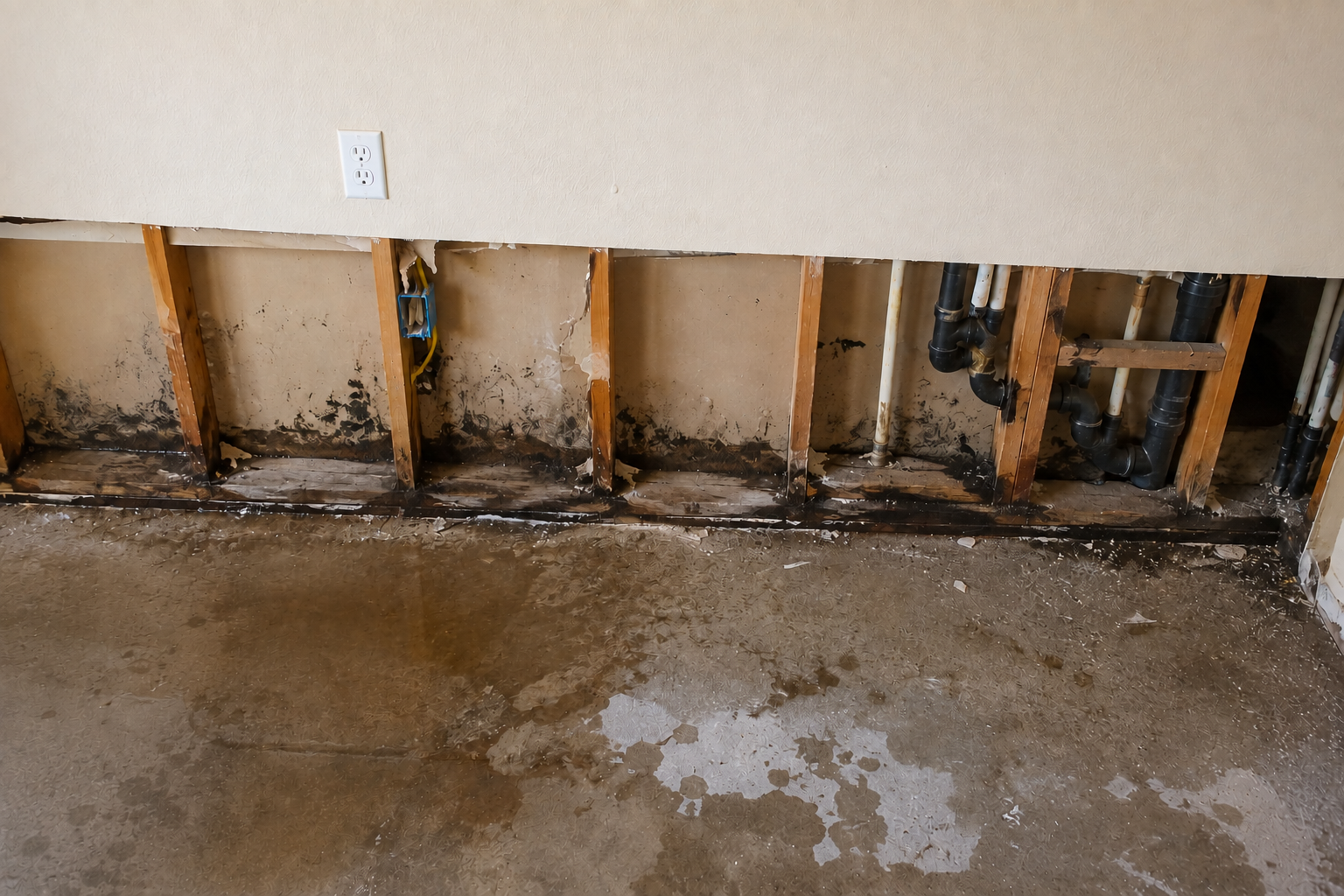
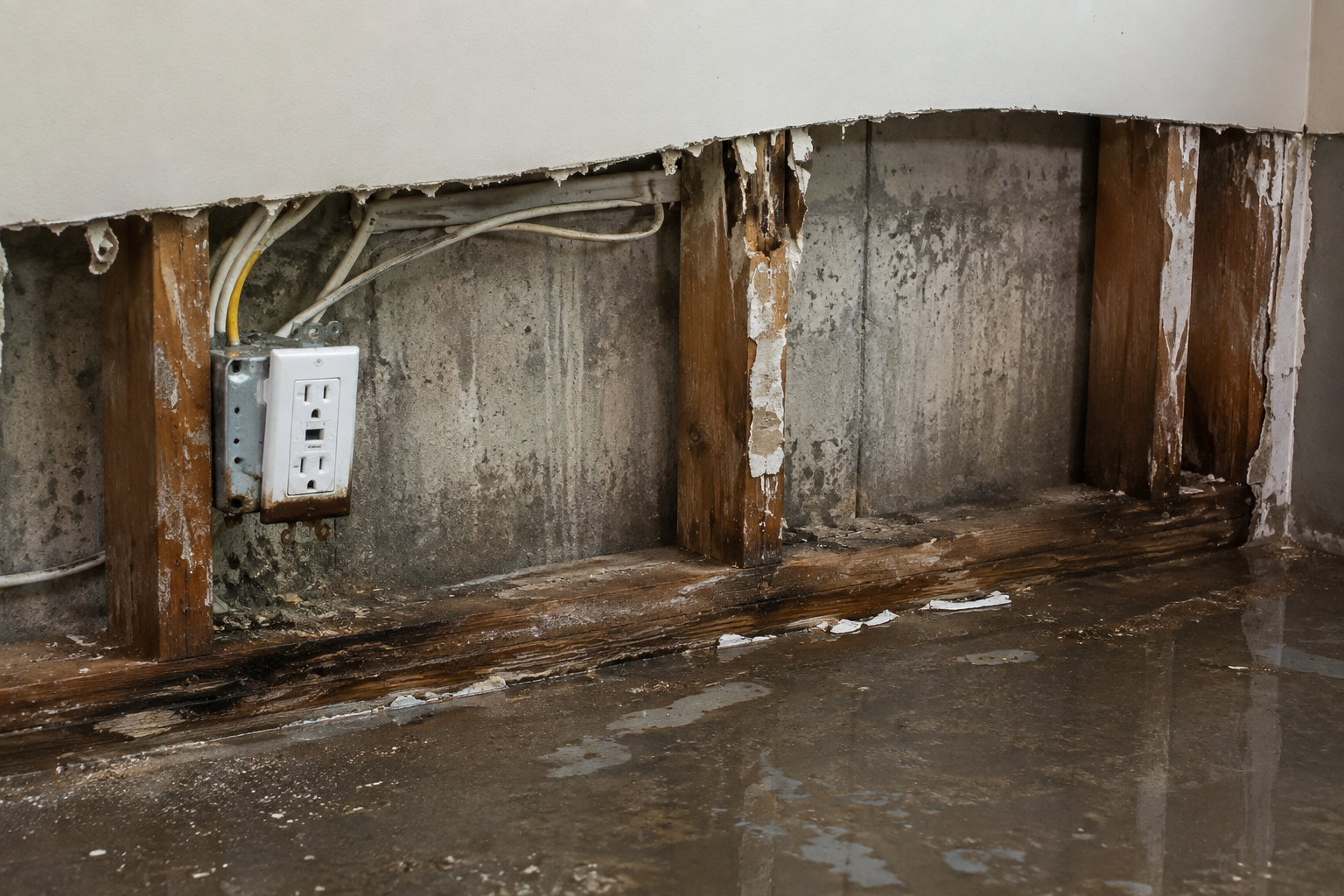
    Water can travel beyond the location where it first becomes visible. It may move underneath floating laminate flooring, through carpet padding, along subfloor seams and into nearby baseboards or wall cavities. Determining the complete extent of the loss requires more than a visual inspection.

    Why Water Under Laminate Flooring Requires Immediate Attention

    Laminate flooring normally consists of a wear layer, decorative layer, fiberboard core and backing layer. When water reaches the seams or becomes trapped underneath the flooring, the core can absorb moisture and begin swelling.

    Possible signs of laminate water damage include:

    • Raised or separating seams
    • Swollen plank edges
    • Buckling or movement
    • Discoloration
    • Soft areas underneath the floor
    • Moisture trapped beneath flooring that still appears normal

    A dry-looking surface does not confirm that the assembly underneath is dry. Moisture testing is necessary to determine whether water has reached the underlayment or subfloor.

    Whether laminate flooring can remain in place depends on the amount of water, duration of exposure, condition of the planks and moisture present underneath. When the core has swollen or water is trapped below the flooring, removal may be necessary to access and dry the underlying materials properly.

    Can Water-Damaged Carpet Be Saved?

    The answer depends on several factors:

    • The source and category of the water
    • How long the carpet remained wet
    • Whether the padding was saturated
    • Whether contamination is present
    • The condition of the carpet and subfloor
    • Whether the materials can be dried safely

    Clean water from a recent supply-line failure may be handled differently from water involving sewage, drain backups or other contamination. Carpet padding can hold substantial moisture and may remain wet even when the carpet surface no longer feels saturated.

    A professional assessment helps determine which materials can be dried and which should be removed. Restoration decisions should be based on moisture readings, the water category and the actual condition of the materials—not appearance alone.

    Why the Subfloor and Nearby Walls Must Be Checked

    Finished flooring is only the visible portion of the affected assembly. Water may also reach:

    • Carpet padding
    • Flooring underlayment
    • Wood or concrete subfloors
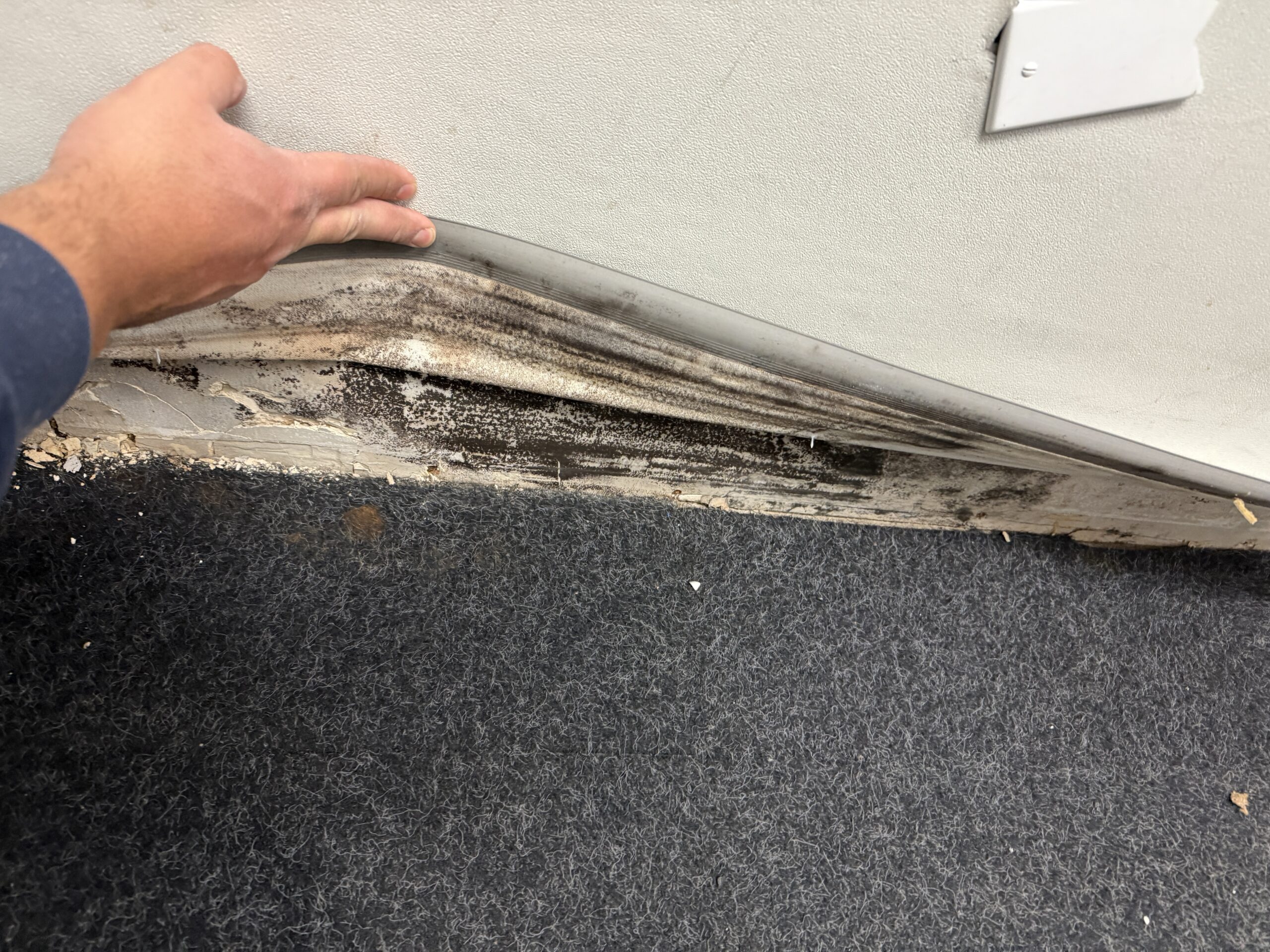
    • Baseboards
    • Drywall
    • Wall insulation
    • Cabinets or built-in components

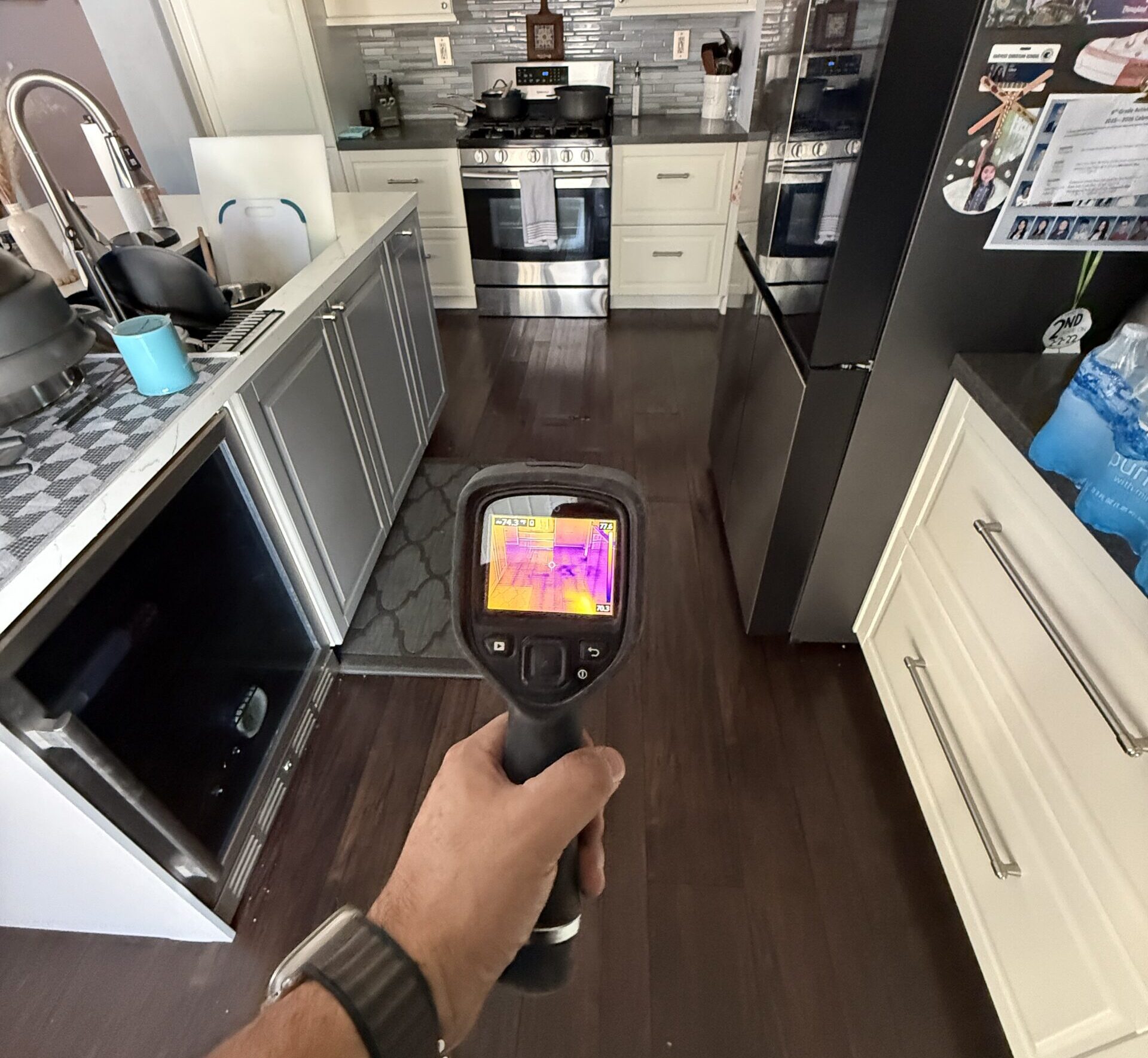
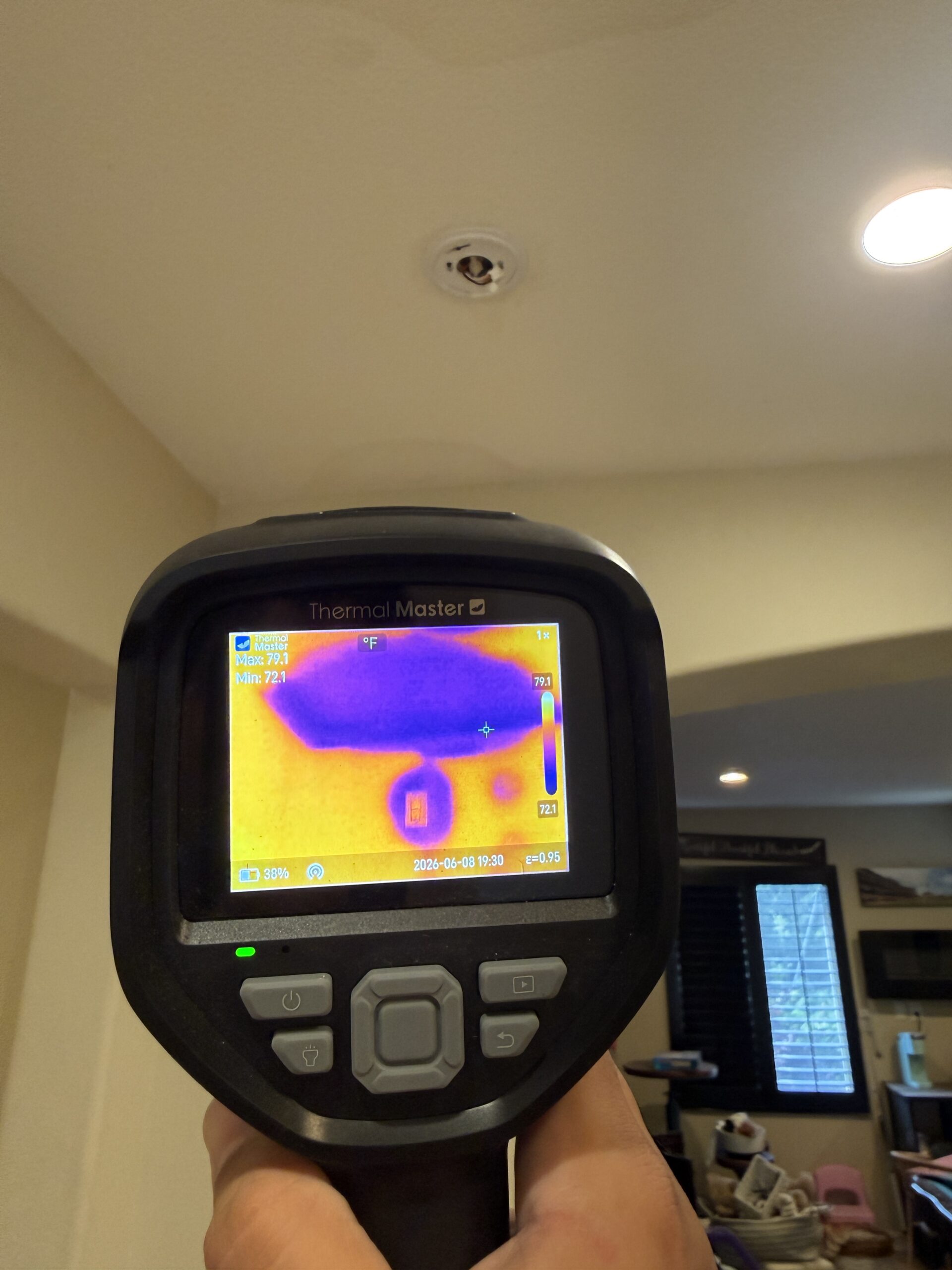
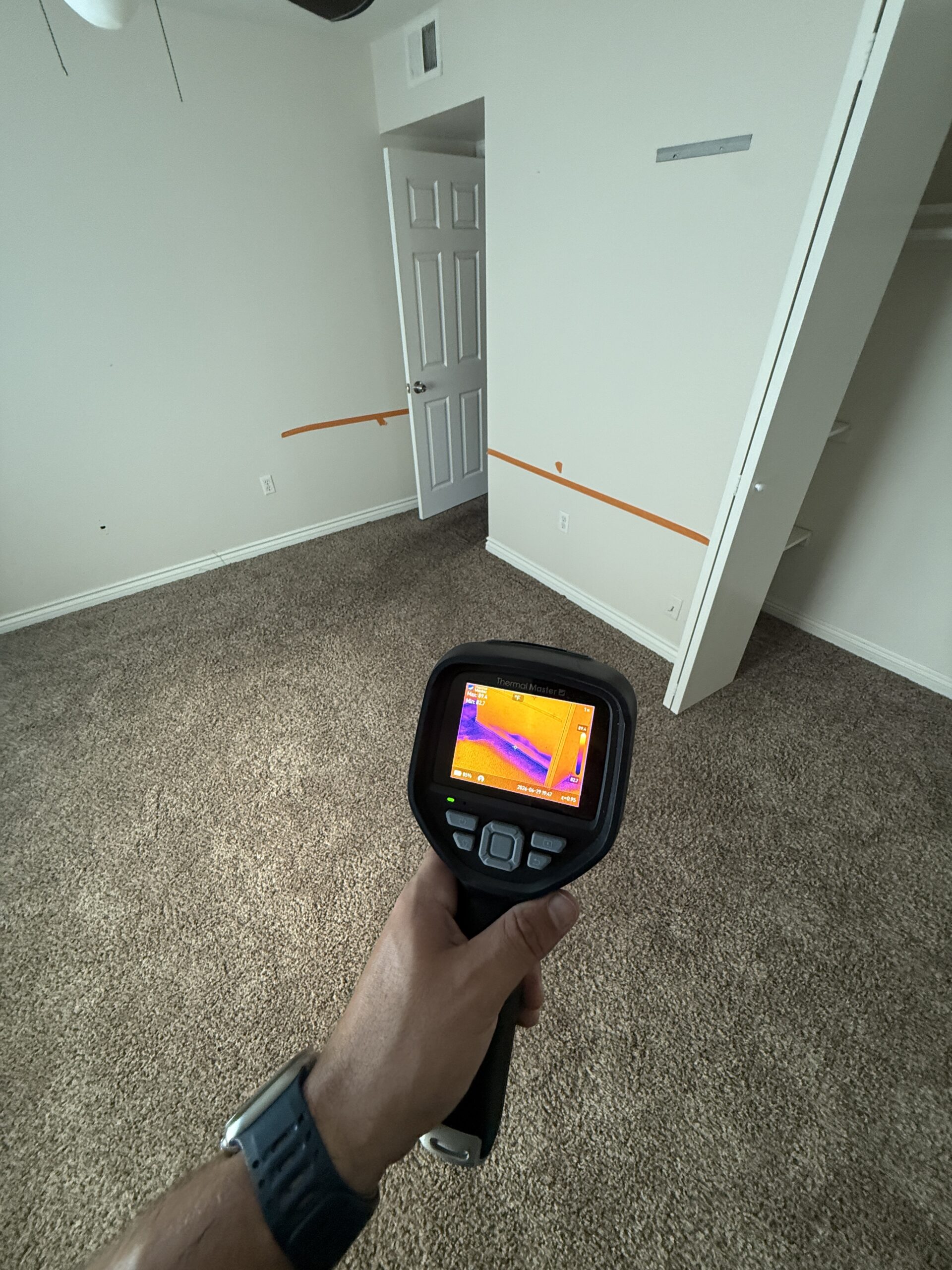
    Moisture meters and thermal-imaging equipment can help identify areas requiring further investigation. These tools do not replace professional judgment, but they help restoration technicians develop a more complete moisture map of the property.

    Identifying hidden moisture early can reduce the risk of swollen materials, odors, microbial growth and more extensive reconstruction later.

    Why Fast Water-Damage Response Matters in Corona

    Wet building materials should not be left untreated. Under suitable conditions, microbial growth may begin developing within approximately 24 to 48 hours.

    Warm conditions, enclosed flooring assemblies and limited airflow beneath laminate or carpet padding can make trapped moisture particularly concerning. Prompt inspection and structural drying help protect the subfloor and surrounding materials before the damage becomes more extensive.

    Property owners should not rely solely on household fans or the apparent dryness of the flooring surface. Professional drying involves controlling moisture, airflow, temperature and humidity while monitoring the affected materials until appropriate drying goals are reached.

    What a Professional Water-Damage Inspection Should Include

    A professional inspection may include:

    1. Identifying whether the water source has been stopped
    2. Determining the water category and potential contamination
    3. Documenting visible damage with photographs
    4. Testing flooring, walls, baseboards and adjoining materials
    5. Creating a moisture map of the affected areas
    6. Determining which materials can be dried
    7. Identifying materials that may require removal
    8. Developing an appropriate drying and restoration plan
    9. Monitoring moisture levels during the drying process
    10. Maintaining documentation for the property owner and insurance carrier

    The restoration plan should be based on the conditions found at that specific property. Not every water loss requires the same demolition, equipment or drying period.

    Does Insurance Cover Water Damage at a Rental Property?

    Insurance coverage depends on the policy, the cause of the leak and how the damage occurred.

    Sudden and accidental water damage—such as an unexpected supply-line or appliance failure—may be covered under many property-insurance policies. Long-term seepage, deferred maintenance and repeated leakage may be treated differently or excluded.

    Property owners should:

    • Photograph and video the affected areas
    • Document when the damage was discovered
    • Preserve information about the suspected source
    • Avoid discarding damaged materials before proper documentation
    • Obtain a professional inspection
    • Contact their insurance carrier promptly
    • Keep all moisture readings, photographs, estimates and invoices

    Hurry Restoration provides detailed restoration documentation and can communicate the technical scope of the water damage with the assigned insurance adjuster. Coverage decisions ultimately remain with the insurance carrier and the terms of the policy.

    Why Rental Properties Require Careful Documentation

    Water damage at a rental property affects more than the building materials. Owners may also need to consider tenant move-in dates, habitability, access, repair scheduling and insurance documentation.

    Addressing the loss before occupancy can make inspection and restoration easier because technicians have clearer access to the affected areas. It also allows the owner to understand the condition of the property before tenants and personal belongings enter the space.

    A properly documented restoration file may include:

    • Initial-loss photographs
    • Moisture readings
    • Thermal images
    • Affected-material documentation
    • Equipment records
    • Daily monitoring information
    • Drying progress
    • Removal and repair recommendations
    • Final moisture verification

    This creates a clear record of what was found and how the property was addressed.

    Local Water Damage Restoration in Corona, California

    Hurry Restoration provides emergency water-damage inspection, extraction, structural drying and restoration services throughout Corona, Riverside County and the Inland Empire.

    Our team works with homeowners, rental-property owners, property managers and insurance adjusters to document the damage, determine the appropriate restoration scope and help move the property toward a safe, dry condition.

    Services include:

    • Emergency water extraction
    • Moisture detection and mapping
    • Laminate and flooring assessment
    • Carpet and padding evaluation
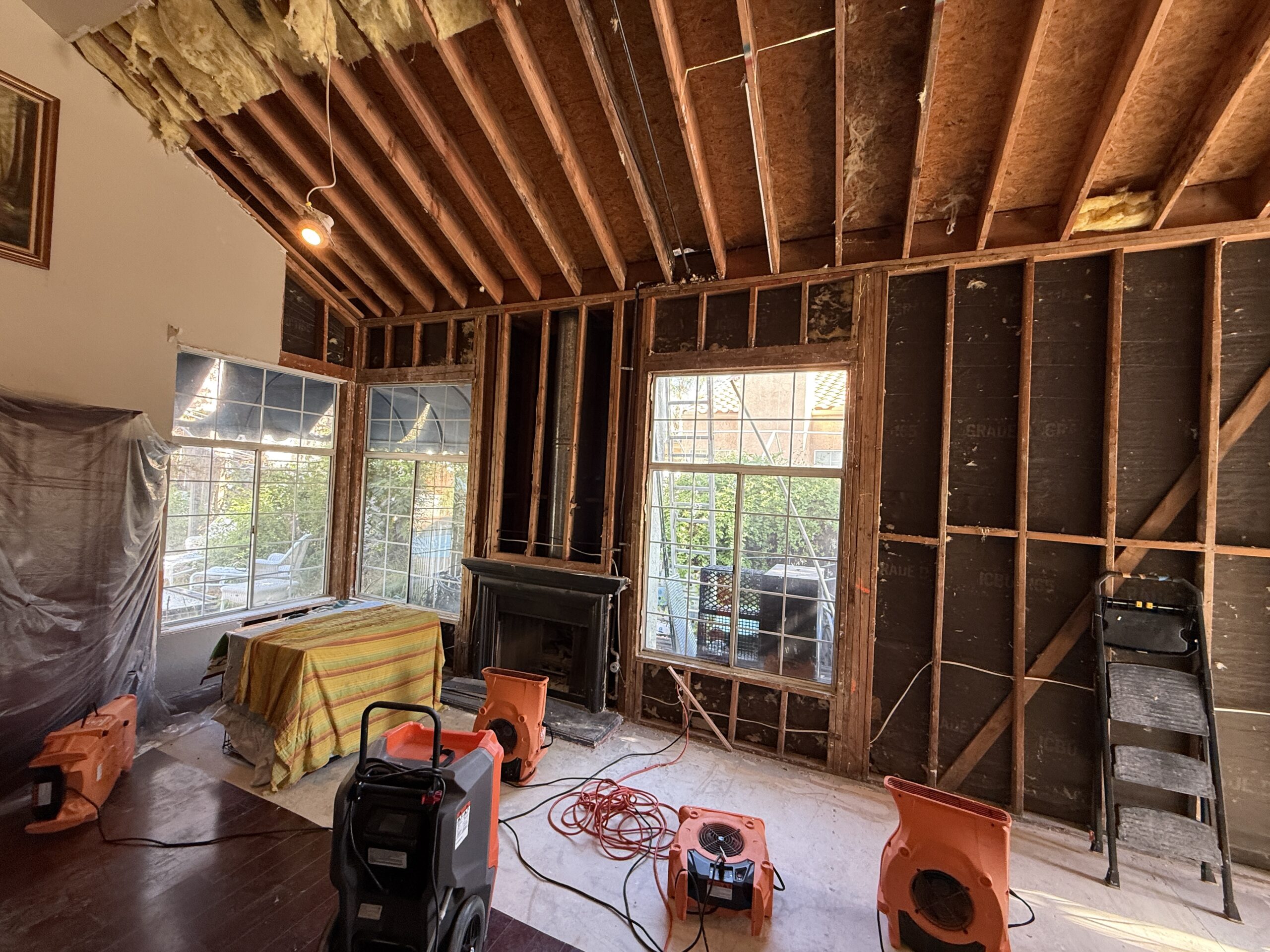
    • Structural drying
    • Dehumidification
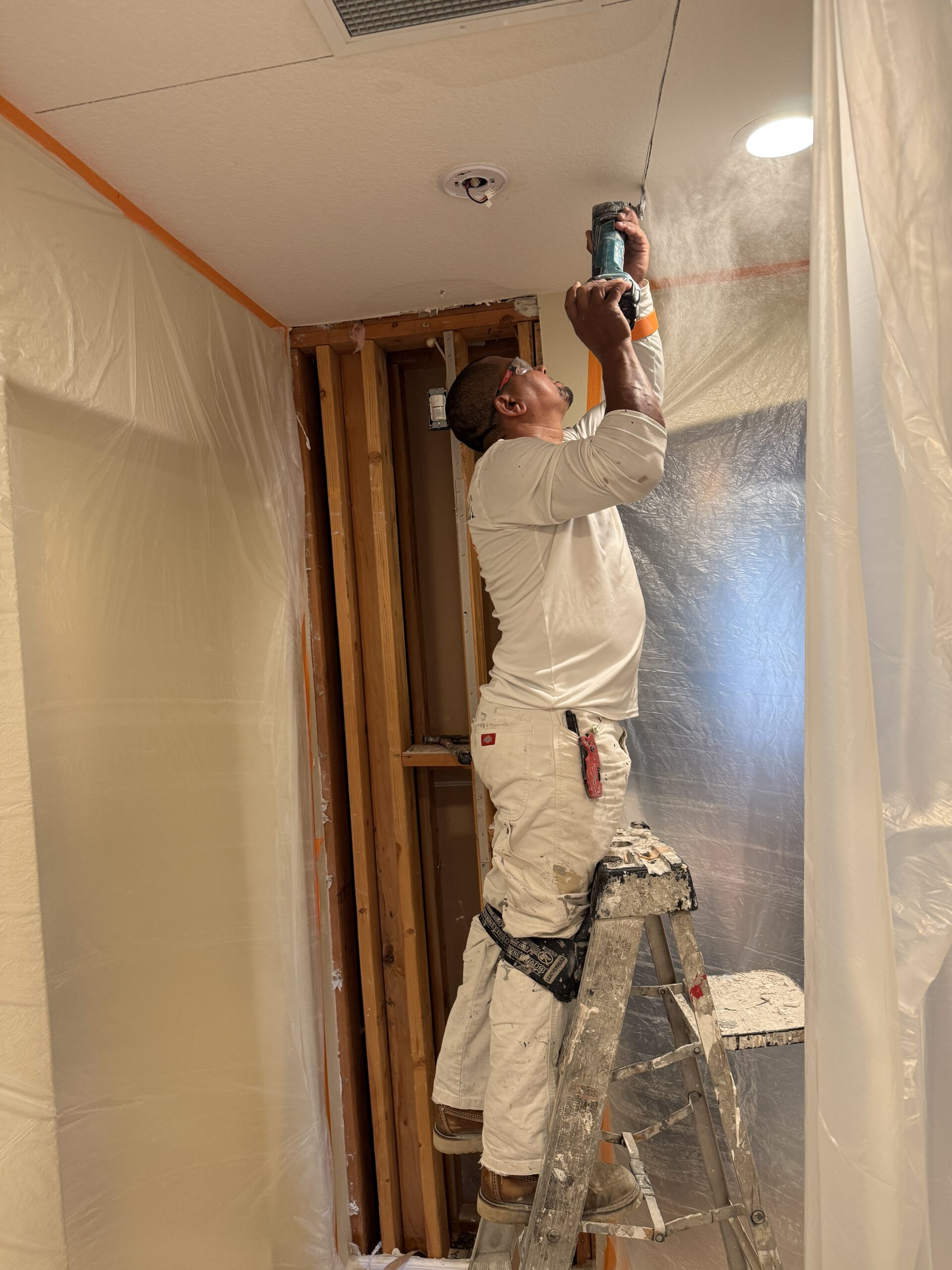
    • Controlled material removal when necessary
    • Insurance documentation
    • Reconstruction and finish repairs

    If you have discovered water underneath laminate flooring or carpet in Corona, do not wait for the materials to dry on their own. Moisture may remain trapped underneath long after the visible surface appears dry.

    Frequently Asked Questions

    How quickly should water damage be inspected?

    Water damage should be evaluated immediately. The longer moisture remains trapped inside flooring or building materials, the greater the possibility of swelling, odors, microbial growth and additional property damage.

    Can laminate flooring dry without being removed?

    Sometimes, but it depends on the extent of moisture and the flooring’s condition. If water is trapped underneath the laminate or the fiberboard core has swollen, removal may be required to access the wet materials below.

    Does wet carpet always need to be replaced?

    No. The decision depends on the water category, duration of exposure, condition of the carpet, saturation of the padding and whether the materials can be dried safely.

    Can moisture remain underneath flooring after the surface feels dry?

    Yes. Laminate, underlayment, carpet padding and subfloor materials can retain moisture after the visible surface appears dry. Moisture testing is required to confirm the condition underneath.

    Does Hurry Restoration work with insurance companies?

    Hurry Restoration documents water damage with photographs, moisture readings and detailed restoration information. We can communicate the technical scope with the assigned adjuster and provide insurance-ready estimates and supporting documentation.

    Need Water Damage Restoration in Corona, CA?

    If a leak has affected laminate flooring, carpet, walls or other building materials at your Corona property, call Hurry Restoration for a professional inspection.

    We provide 24/7 water-damage response throughout Corona, Riverside County and the Inland Empire.

    Call 1-800-528-9110 for immediate assistance.

  • Does Homeowners Insurance Cover Water Damage? (Complete 2026 Guide)

    Does Homeowners Insurance Cover Water Damage? (Complete 2026 Guide)

    Finding water damage in your home is stressful enough—but one of the first questions homeowners ask is:

    “Will my homeowners insurance cover this?”

    The answer is sometimes.

    Insurance companies generally cover sudden and accidental water damage, but they often deny claims involving long-term neglect, maintenance issues, or gradual leaks.

    At Hurry Restoration, we’ve worked with homeowners throughout Riverside County and the Inland Empire who weren’t sure whether their loss was covered. Our team helps document the damage, perform emergency mitigation, and work directly with insurance adjusters whenever possible.

    If you’re dealing with water damage, understanding what your policy typically covers can help you make the right decisions quickly.


    When Does Homeowners Insurance Usually Cover Water Damage?

    Most homeowners insurance policies cover sudden, unexpected water damage that could not have been reasonably prevented.

    Common examples include:

    • Burst pipes
    • Water heater failures
    • Washing machine supply line failures
    • Refrigerator water line leaks
    • Dishwasher overflows
    • Plumbing leaks inside walls
    • Accidental toilet overflows (depending on the cause)
    • Storm damage that allows water to enter after covered roof damage

    If one of these events causes damage to drywall, flooring, cabinets, insulation, or personal belongings, your insurance policy will often help pay for repairs after your deductible.


    Water Damage That Insurance Often Does NOT Cover

    Insurance companies generally expect homeowners to maintain their property.

    Claims are commonly denied for:

    • Slow plumbing leaks left unrepaired
    • Long-term roof leaks
    • Poor maintenance
    • Mold caused by neglected leaks
    • Foundation seepage
    • Groundwater entering through the slab
    • Flooding from rising water outside the home (requires separate flood insurance)

    If the damage occurred gradually over weeks or months, there is a higher chance your claim may be denied.


    Does Insurance Cover Mold?

    Mold coverage depends on what caused the mold.

    If mold develops because of a covered water loss, insurance may help pay for remediation, depending on your policy limits.

    For example:

    ✅ Burst pipe → Mold develops → Often covered.

    ❌ Slow leak under a sink for six months → Mold develops → Often denied.

    This is one reason it’s critical to begin drying your property immediately after discovering water damage.


    Does Insurance Cover Water Damage from a Slab Leak?

    Slab leaks can be confusing.

    Many insurance companies may cover the resulting damage caused by a sudden slab leak, such as:

    • Wet flooring
    • Damaged drywall
    • Baseboards
    • Cabinets
    • Moisture trapped beneath flooring

    However, they often do not pay to repair the actual plumbing pipe that failed.

    Every policy is different, so reviewing your specific coverage is important.


    What Should You Do Immediately After Water Damage?

    The first 24 to 48 hours are critical.

    Follow these steps:

    1. Shut off the water source if possible.
    2. Turn off electricity if water is near electrical hazards.
    3. Take photographs before moving anything.
    4. Contact your insurance company.
    5. Call a professional restoration company immediately.
    6. Begin drying the property as soon as possible.

    Quick action helps reduce damage, prevent mold growth, and strengthens your insurance claim documentation.


    Why Professional Documentation Matters

    Insurance companies rely heavily on documentation.

    At Hurry Restoration, we use professional equipment to document:

    • Moisture mapping
    • Thermal imaging
    • Moisture meter readings
    • Daily drying logs
    • Equipment monitoring
    • Before-and-after photographs

    This information helps show exactly what was affected and supports your insurance claim.


    What Does Water Damage Restoration Include?

    Professional restoration is much more than placing fans in a room.

    Depending on the loss, restoration may include:

    • Emergency water extraction
    • Structural drying
    • Moisture mapping
    • Dehumidification
    • HEPA air filtration
    • Mold prevention
    • Selective demolition
    • Content protection
    • Odor removal
    • Reconstruction services

    Every property is different, and the drying plan is based on moisture readings and industry standards.


    Frequently Asked Questions

    Will insurance pay for a burst pipe?

    In many cases, yes. Sudden and accidental pipe failures are commonly covered, although repairing the pipe itself may not always be included.


    Is a water heater leak covered?

    Often yes, if the leak occurred suddenly and unexpectedly. The resulting water damage is frequently covered, but replacing the water heater may not be.


    Does homeowners insurance cover flood damage?

    Usually not.

    Flooding caused by rising water from outside generally requires a separate flood insurance policy.


    Should I wait for my insurance company before drying my home?

    No.

    Insurance companies expect homeowners to take reasonable steps to prevent additional damage. Waiting can allow mold to develop and increase repair costs.


    Trust Hurry Restoration When Water Damage Happens

    Water damage doesn’t wait—and neither should you.

    Whether you’re dealing with a burst pipe, slab leak, appliance failure, or unexpected water intrusion, Hurry Restoration provides fast emergency response, professional moisture documentation, structural drying, and complete restoration services throughout Riverside County and the Inland Empire.

    Our goal is to help protect your property, minimize damage, and guide you through the restoration process from start to finish.

    Need emergency water damage restoration? Call Hurry Restoration 24/7 at (800) 528-9110 for immediate assistance.
  • How Long Can Drywall Stay Wet Before Mold Grows?

    How Long Can Drywall Stay Wet Before Mold Grows?

    Quick Answer

    Drywall can begin developing mold within 24 to 48 hours after becoming wet. Because drywall absorbs moisture quickly, hidden water can remain trapped behind walls even when the surface appears dry. Professional drying and moisture inspections are the best way to reduce mold growth and prevent expensive structural damage.


    Key Takeaways

    • Mold can begin growing in as little as 24–48 hours
    • Drywall absorbs water extremely quickly.
    • Hidden moisture often remains inside walls.
    • Professional moisture mapping finds water you cannot see.
    • Fast structural drying can reduce demolition and mold damage.

    Why Drywall Gets Wet So Fast

    Drywall is made from gypsum wrapped in heavy paper. While it’s durable for everyday living, it’s highly absorbent after a plumbing leak, slab leak, roof leak, appliance failure, or flood.

    Once moisture enters drywall, it begins soaking into:

    • The paper facing
    • The gypsum core
    • Adjacent insulation
    • Wood framing

    This trapped moisture creates ideal conditions for mold growth if it is not professionally dried.


    How Long Before Mold Starts Growing?

    Most restoration professionals agree that mold can begin growing within 24 to 48 hours when moisture remains.

    The exact timeline depends on:

    • Temperature
    • Humidity
    • Air movement
    • Amount of water
    • Building materials
    • How quickly drying begins

    Warm Southern California homes can create conditions where mold develops surprisingly fast.


    What We See in Real Homes

    One of the biggest misconceptions homeowners have is believing the wall is dry simply because it feels dry.

    In reality, we frequently find:

    • Wet insulation
    • Moisture behind baseboards
    • Water trapped behind cabinets
    • Saturated framing
    • Hidden moisture around electrical outlets

    Using professional moisture meters and thermal imaging cameras allows us to locate moisture that would otherwise remain hidden until mold appears weeks later.


    Warning Signs Your Drywall Is Still Wet

    Common signs include:

    • Bubbling paint
    • Soft drywall
    • Musty odors
    • Brown staining
    • Peeling paint
    • Swollen baseboards
    • Warped trim
    • Visible mold

    If you notice any of these after water damage, your home should be inspected immediately.


    Can Wet Drywall Be Saved?

    Sometimes.

    If professional drying begins immediately after water damage, drywall can often be successfully dried without replacement.

    However, replacement is usually recommended when:

    • Mold has already developed
    • Drywall has remained wet several days
    • Sewage contaminated the wall
    • Flood water entered the home

    Moisture readings determine whether the drywall has safely dried.


    How Professionals Dry Wet Drywall

    Professional restoration companies use commercial equipment including:

    • Industrial dehumidifiers
    • High-velocity air movers
    • Moisture meters
    • Thermal imaging cameras
    • HEPA air scrubbers when needed

    The goal is removing moisture before mold has an opportunity to spread.


    Frequently Asked Questions

    Can drywall dry by itself?

    Sometimes, but hidden moisture often remains trapped inside wall cavities.


    Will mold always grow?

    Not always. Quick drying greatly reduces the chances of mold growth.


    Should drywall always be removed?

    No. Moisture testing determines whether drying is possible or replacement is necessary.


    Does homeowners insurance cover wet drywall?

    Coverage depends on what caused the water damage and your individual homeowners insurance policy.


    Protect Your Home Before Mold Starts

    The sooner water damage is addressed, the easier it is to prevent mold growth and reduce repair costs.

    If your drywall has become wet, professional moisture inspections can determine whether hidden moisture remains before it becomes a much larger problem.


    About Hurry Restoration

    Hurry Restoration provides 24/7 emergency water damage restoration, structural drying, mold remediation, sewage cleanup, fire damage restoration, and reconstruction throughout Riverside County, Orange County, Los Angeles County, and San Diego County. Our IICRC-certified technicians use advanced moisture detection equipment and commercial drying systems to restore homes and businesses quickly while working directly with insurance companies to simplify the claims process.


    📞 Call Hurry Restoration 24/7

    Water damage doesn’t wait—and neither do we.

    Call Now: (800) 528-9110

  • Can Water Damage Cause Electrical Fires? What Every Homeowner Needs to Know

    Can Water Damage Cause Electrical Fires? What Every Homeowner Needs to Know

    Can Water Damage Cause Electrical Fires?

    Yes.

    Water damage can create serious electrical hazards that increase the risk of electrical shorts, damaged wiring, and even house fires if the problem is not addressed quickly.

    While water itself does not always start a fire, it can damage electrical systems, corrode wiring, and create unsafe conditions long after the visible water has dried.

    If your home has experienced flooding, a burst pipe, roof leak, or appliance leak, your electrical system should always be considered during the restoration process.


    Quick Answer

    Water damage can increase the risk of electrical fires by damaging outlets, wiring, electrical panels, and appliances. Never restore power to a flooded area until it has been inspected and declared safe.


    Key Takeaways

    • Water and electricity create dangerous conditions.
    • Wet electrical wiring can short circuit.
    • Corrosion may continue weeks after water damage.
    • Electrical panels exposed to water should be inspected.
    • Fast drying reduces long-term damage.

    How Water Damages Electrical Systems

    Water can reach electrical systems in several ways.

    Flooding may submerge outlets.

    Roof leaks can drip into attic wiring.

    Burst pipes may soak walls where electrical wiring runs.

    Slab leaks can affect wiring near the foundation.

    Even high humidity after water damage can eventually corrode electrical components.


    Warning Signs

    Watch for:

    • Flickering lights
    • Warm outlets
    • Burning smells
    • Tripped breakers
    • Buzzing sounds
    • Rust around electrical panels
    • Water stains near outlets
    • Sparks

    If any of these occur, stop using the affected circuit and contact a qualified electrician immediately.


    Should You Turn the Power Back On?

    Not until the property has been evaluated.

    If water reached:

    • the breaker panel
    • outlets
    • switches
    • extension cords
    • appliances

    the electrical system should be inspected before power is restored.

    Attempting to energize wet electrical equipment can create a dangerous shock or fire hazard.


    How Professionals Reduce the Risk

    Professional restoration companies help by:

    • Removing standing water quickly
    • Drying structural materials
    • Locating hidden moisture
    • Preventing mold growth
    • Documenting moisture readings
    • Coordinating repairs with electricians when needed

    The sooner moisture is removed, the lower the risk of long-term structural and electrical damage.


    Frequently Asked Questions

    Can water inside walls damage electrical wiring?

    Yes. Hidden moisture inside walls can reach electrical wiring, outlets, and junction boxes.


    Can I use outlets after water damage?

    Only after they have been inspected if water exposure is suspected.


    Does homeowners insurance cover electrical damage from water?

    Many homeowners insurance policies may cover sudden and accidental water damage, but coverage depends on the source of the loss and your individual policy.


    Can wet breakers be reused?

    An electrician should determine whether breakers exposed to water should be replaced.


    Protect Your Home After Water Damage

    If your property has experienced flooding or water damage, don’t wait for electrical problems to develop.

    Professional drying, moisture detection, and fast mitigation help protect both your structure and your electrical system.

    Hurry Restoration provides 24/7 emergency water damage restoration throughout Riverside County, Orange County, Los Angeles County, and San Diego County.


    About Hurry Restoration

    Hurry Restoration is a Southern California emergency restoration company specializing in water damage restoration, structural drying, mold remediation, fire damage restoration, sewage cleanup, and complete reconstruction. We use advanced moisture detection equipment and proven drying methods to restore homes and businesses while working directly with insurance providers.


    📞 Call Hurry Restoration 24/7

    Water damage doesn’t wait—and neither do we.

    📞 Call 800-528-9110

  • How Long Does It Take for Mold to Grow After Water Damage?

    How Long Does It Take for Mold to Grow After Water Damage?

    One of the first questions homeowners ask after discovering water damage is whether mold will become a problem. While mold doesn’t appear instantly, excess moisture can create conditions that allow mold to grow if affected materials remain wet.

    Whether the water came from a burst pipe, appliance leak, overflowing fixture, or slab leak, responding quickly is one of the best ways to reduce the risk of moisture-related damage.


    Quick Answer

    Mold does not begin growing the moment water enters a home, but damp building materials can create conditions that support mold growth if they remain wet. The exact timeline depends on factors such as the amount of water, indoor temperature, humidity, ventilation, and the materials affected. Prompt water extraction and structural drying help reduce the likelihood of mold developing.


    Key Takeaways

    • Moisture is the primary factor that allows mold to grow.
    • Different building materials dry at different rates.
    • Hidden moisture may remain after visible water disappears.
    • Professional drying focuses on removing trapped moisture.
    • Acting quickly may reduce repair costs and secondary damage.

    Why Mold Needs Moisture

    Mold spores naturally exist in indoor and outdoor environments.

    What mold needs to grow is moisture.

    When drywall, wood, insulation, carpet padding, or other porous materials remain damp, they may provide conditions that support mold growth if they are not properly dried.


    Not Every Water Leak Causes Mold

    A common misconception is that every plumbing leak automatically results in mold.

    Many water losses can be dried successfully before mold becomes an issue.

    The key is identifying where water has traveled and drying affected materials before moisture remains trapped for an extended period.


    Hidden Moisture Is Often the Bigger Problem

    Visible water is usually not the greatest concern.

    Hidden moisture behind walls, beneath flooring, inside cabinets, and within insulation may remain long after surfaces appear dry.

    This is why professional inspections focus on locating moisture that homeowners cannot easily see.


    Materials That Stay Wet Longer

    Some building materials dry relatively quickly, while others retain moisture much longer.

    Materials commonly requiring additional evaluation include:

    • Drywall
    • Insulation
    • Hardwood flooring
    • Carpet padding
    • Wood framing
    • Cabinet bases
    • Subfloors

    What We See in Real Homes

    During water damage inspections, we often find homeowners have already cleaned up visible water before calling.

    While the floor may appear dry, moisture sometimes remains trapped beneath flooring, inside wall cavities, or behind cabinets. Professional moisture mapping helps identify these hidden areas so they can be evaluated and dried appropriately.


    How Professionals Help Reduce the Risk of Mold

    Professional restoration focuses on removing excess moisture from affected building materials.

    Depending on the situation, this may include:

    • Water extraction
    • Structural drying
    • Moisture mapping
    • Moisture monitoring
    • Removal of materials that cannot be effectively dried

    The goal is to return materials to appropriate moisture levels whenever possible.


    Can I Just Use Fans?

    Household fans help move air across surfaces, but they may not remove moisture trapped inside building materials or beneath flooring.

    Professional drying systems are designed to manage airflow, humidity, and moisture throughout the drying process.


    Professional Insight from Hurry Restoration

    Throughout Riverside County and San Bernardino County, the Hurry Restoration team regularly responds to plumbing leaks, burst pipes, appliance failures, and water heater leaks. One of the most important parts of every inspection is determining where moisture has traveled—not just where water is visible.

    Finding hidden moisture early allows homeowners to make informed decisions before additional damage develops.


    Frequently Asked Questions

    Does every water leak cause mold?

    No. Many water losses are successfully dried before mold becomes an issue.


    Can mold grow behind drywall?

    Yes. If moisture remains trapped behind drywall, conditions may support mold growth.


    Is visible mold always the first sign?

    Not always. Homeowners sometimes notice odors, staining, or swelling before visible mold appears.


    How do professionals check for hidden moisture?

    Restoration professionals use moisture meters, thermal imaging when appropriate, hygrometers, and moisture mapping techniques to evaluate affected materials.


    Mold Prevention After Water Damage in Riverside & San Bernardino Counties

    Hurry Restoration provides emergency water extraction, structural drying, moisture inspections, and water damage restoration throughout Riverside County and San Bernardino County, including Riverside, Corona, Norco, Ontario, Rancho Cucamonga, Moreno Valley, and surrounding Inland Empire communities.

    If your property has experienced water damage, prompt inspection can help determine the extent of the moisture and the appropriate restoration approach.


    About Hurry Restoration

    Hurry Restoration provides 24/7 emergency water damage restoration, moisture inspections, structural drying, and water extraction throughout Riverside County and San Bernardino County. Our team uses professional moisture detection equipment to identify hidden water damage and develop effective drying plans following plumbing leaks, burst pipes, appliance failures, and other water-related emergencies.


    📞 Call Hurry Restoration 24/7

    If your home has experienced water damage, don’t wait to determine whether hidden moisture is still present.

    Call Hurry Restoration 24/7

  • Why Your Floor Feels Dry Even When Water Is Still Trapped Underneath

    Why Your Floor Feels Dry Even When Water Is Still Trapped Underneath

    One of the most common misconceptions after a plumbing leak is believing the damage is gone once the floor feels dry. While the surface may no longer feel wet, moisture can remain trapped beneath flooring materials, inside the subfloor, or within nearby building materials.

    At Hurry Restoration, we frequently inspect homes where the visible water has disappeared, but moisture is still present beneath tile, hardwood, laminate, carpet, or cabinetry. Finding this hidden moisture early helps prevent additional damage and supports a more effective drying process.


    Quick Answer

    A floor can feel dry because surface moisture evaporates much faster than moisture trapped underneath. Water may remain beneath tile, hardwood, laminate, carpet padding, or inside the subfloor even when the top of the floor no longer feels wet. Professional moisture inspections help determine whether hidden moisture is still present.


    Key Takeaways

    • Dry surfaces do not always mean dry building materials.
    • Water often becomes trapped beneath finished flooring.
    • Hidden moisture may spread farther than expected.
    • Professional moisture mapping helps locate moisture beneath the surface.
    • Early detection can reduce additional damage.

    Why Floors Dry Unevenly

    Different building materials absorb and release moisture at different rates.

    Air moving across the surface helps dry the top layer first, while moisture trapped underneath has very little airflow. Because of this, water beneath flooring often remains long after the visible surface appears normal.


    Where Water Usually Becomes Trapped

    Hidden moisture is commonly found:

    • Beneath tile flooring
    • Under hardwood flooring
    • Inside laminate flooring systems
    • Under carpet padding
    • Within wood subfloors
    • Beneath cabinets
    • Around baseboards
    • Inside wall cavities next to flooring

    Why Tile Can Be Misleading

    Many homeowners assume tile cannot be damaged by water.

    While the tile itself is durable, water often enters through grout joints, expansion joints, plumbing penetrations, or cracks before becoming trapped beneath the tile installation.

    The surface may feel completely dry while moisture remains underneath.


    Hardwood Flooring Often Hides Moisture

    Wood naturally absorbs water.

    Moisture trapped beneath hardwood flooring can affect both the flooring and the wood subfloor below.

    In many situations, homeowners notice cupping or slight movement days after the original leak because moisture continues affecting the wood from underneath.


    Carpet May Feel Dry First

    Carpet fibers dry much faster than carpet padding.

    The top of the carpet can feel dry while the pad underneath remains saturated.

    This is one reason professional inspections evaluate more than just the visible surface.


    What We See in Real Homes

    During water damage inspections, one of the most common findings is moisture extending beneath flooring long after homeowners believe everything has dried.

    Water naturally follows gravity and travels beneath finished flooring where airflow is limited. Hidden moisture may not become visible until flooring begins to swell, separate, stain, or develop odors.

    Professional moisture mapping helps determine how far water has traveled before structural drying begins.


    How Professionals Detect Hidden Moisture

    Professional restoration companies use specialized equipment to inspect beneath the surface.

    Depending on the situation, this may include:

    • Moisture meters
    • Thermal imaging cameras
    • Hygrometers
    • Moisture mapping
    • Daily moisture monitoring

    These tools help determine whether hidden moisture remains inside the structure.


    Can Hidden Moisture Damage My Home?

    Yes.

    Moisture trapped beneath flooring may contribute to swelling, warping, material deterioration, and conditions that allow mold to develop if not properly addressed.

    Prompt inspection allows restoration professionals to determine the appropriate drying approach.


    Professional Insight from Hurry Restoration

    Throughout Riverside County and San Bernardino County, the Hurry Restoration team regularly finds hidden moisture beneath tile, hardwood, laminate flooring, and cabinetry after plumbing leaks, burst pipes, appliance failures, and water heater leaks.

    Although the floor may appear dry, moisture inspections often reveal water extending beyond the visible damage. Proper moisture mapping helps identify affected materials and supports an effective structural drying plan.


    Frequently Asked Questions

    Can tile be dry while water is underneath?

    Yes. Water can remain trapped beneath tile even after the surface has dried.


    Should I remove my flooring?

    Not necessarily. Every situation is different. A professional inspection helps determine whether flooring can be dried in place or whether removal is necessary.


    How long can water stay beneath flooring?

    The amount of time depends on the flooring material, the amount of water, indoor conditions, and how quickly drying begins.


    How do professionals know when materials are dry?

    Restoration professionals use moisture detection equipment and monitor moisture levels throughout the drying process to evaluate progress.


    Hidden Moisture Inspections Throughout Riverside & San Bernardino Counties

    Hurry Restoration provides emergency water damage inspections, moisture mapping, water extraction, and structural drying throughout Riverside County and San Bernardino County, including Riverside, Corona, Norco, Ontario, Rancho Cucamonga, Moreno Valley, and surrounding Inland Empire communities.

    If your floor feels dry but you suspect water may still be trapped underneath, a professional inspection can help determine the extent of the damage.


    About Hurry Restoration

    Hurry Restoration provides 24/7 emergency water damage restoration, water extraction, structural drying, and moisture inspections throughout Riverside County and San Bernardino County. We use professional moisture detection equipment to help identify hidden water damage after plumbing leaks, burst pipes, appliance failures, and other water-related emergencies.


    📞 Call Hurry Restoration 24/7

    If your flooring appears dry but you suspect hidden moisture remains underneath, don’t wait for visible damage to appear.

    Call Hurry Restoration 24/7

  • Hidden Water Damage: 9 Places Moisture Hides After a Plumbing Leak | Hurry Restoration

    Hidden Water Damage: 9 Places Moisture Hides After a Plumbing Leak | Hurry Restoration

    Most homeowners expect to see water damage where a leak occurs. In reality, water rarely stays in one place. After a plumbing leak, burst pipe, appliance failure, or water heater leak, moisture often travels beneath flooring, inside walls, behind cabinets, and into areas that cannot be seen without a professional inspection.

    At Hurry Restoration, one of the most common discoveries during emergency water damage inspections is hidden moisture extending well beyond the visible damage. Understanding where water travels helps homeowners act quickly and reduces the risk of additional structural damage and mold growth.


    Quick Answer

    If your home experiences a plumbing leak, assume water has spread farther than what is visible. Moisture commonly hides beneath flooring, behind drywall, inside insulation, underneath cabinets, behind baseboards, and inside wall cavities. Professional moisture mapping helps identify hidden water so affected materials can be properly dried before secondary damage occurs.


    Key Takeaways

    • Water often spreads well beyond the visible wet area.
    • Dry surfaces do not always mean dry building materials.
    • Hidden moisture can remain trapped beneath flooring and inside walls.
    • Professional moisture mapping identifies damage that cannot be seen.
    • Acting quickly may reduce repair costs and the likelihood of mold growth.

    Why Hidden Water Damage Matters

    Many homeowners clean up visible water and assume the problem has been solved. Unfortunately, building materials absorb moisture differently. Water follows gravity, travels through framing, and can become trapped inside materials that dry very slowly.

    By the time visible staining appears, moisture may have already spread into surrounding areas.

    This is why professional restoration focuses on locating the full extent of the water intrusion—not just the water you can see.


    1. Beneath Tile Flooring

    Although tile is water resistant, grout joints, cracked grout, and movement joints allow water to travel underneath the tile.

    Moisture beneath tile can remain trapped long after the surface appears dry, especially after slab leaks, plumbing failures, or appliance leaks.


    2. Behind Baseboards

    Baseboards often conceal moisture because drywall absorbs water from the floor upward.

    Removing or temporarily detaching baseboards frequently reveals moisture hidden behind finished surfaces.


    3. Inside Drywall

    Drywall quickly absorbs water.

    Moisture may continue moving several feet above the original water line through capillary action, making professional moisture testing an important part of the inspection process.


    4. Inside Wall Cavities

    Water commonly travels inside wall cavities before it becomes visible.

    Insulation, plumbing penetrations, electrical openings, and framing all create pathways that allow moisture to spread throughout the structure.


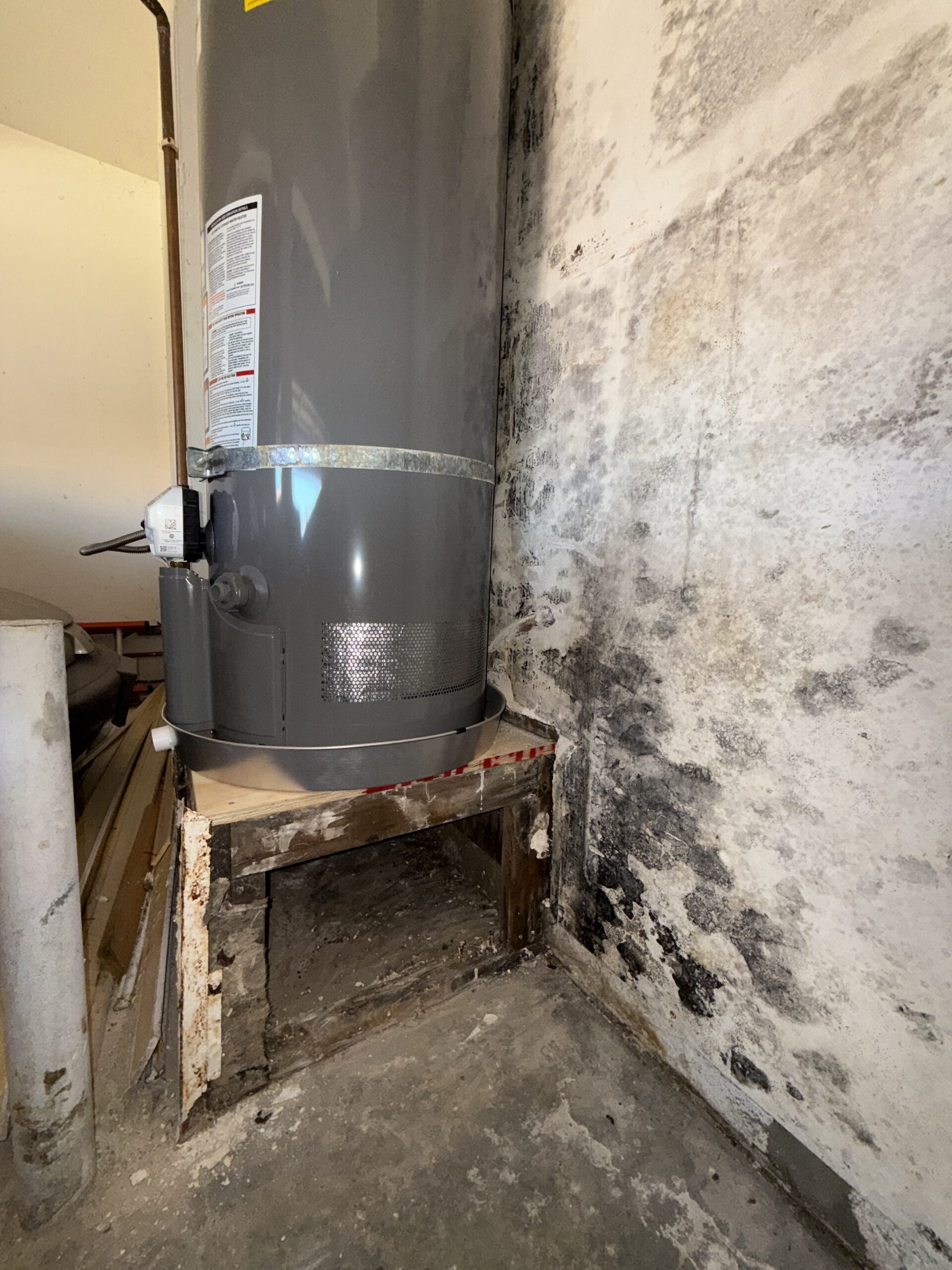
    5. Behind Water Heaters

    Water heaters are one of the most overlooked areas following a plumbing leak.

    Because the appliance blocks the wall from view, moisture can remain trapped behind it for extended periods without being noticed.

    Hidden moisture behind a water heater may affect drywall, framing, insulation, and adjacent flooring before visible signs appear.


    Real Project Example

    The photo featured in this article shows hidden water damage discovered after a residential water heater was removed during an inspection.

    While the front of the water heater appeared relatively normal, removing the appliance exposed significant hidden moisture damage and visible microbial growth behind the unit. Situations like this demonstrate why professional inspections often extend beyond the visibly wet area to evaluate concealed building materials.

    Hidden damage like this is one reason moisture mapping is an important part of a professional restoration assessment.


    6. Beneath Cabinets

    Kitchen and bathroom cabinets frequently conceal moisture.

    Water often becomes trapped beneath cabinet bases, behind toe kicks, and underneath flooring where airflow is limited.


    7. Under Hardwood Flooring

    Hardwood flooring absorbs moisture from below.

    Even when the finished surface looks normal, the underside of the flooring and the wood subfloor may still contain elevated moisture levels.


    8. Carpet Padding

    Carpet may begin drying on the surface while the padding underneath remains saturated.

    Depending on the extent of the damage and the category of water involved, professional drying or replacement may be necessary.


    9. Ceiling Cavities

    Water from upstairs plumbing leaks, overflowing fixtures, or roof leaks often spreads through ceiling cavities before stains become visible.

    By the time discoloration appears, moisture may have already affected insulation and structural framing.


    What We See in Real Homes

    One of the biggest misconceptions homeowners have is believing the visible water represents the entire loss.

    During inspections throughout Riverside and San Bernardino Counties, we regularly find moisture extending beyond the obvious wet area. Water often follows framing, flooring systems, plumbing penetrations, and gravity before eventually becoming visible somewhere else.

    This is why moisture mapping is one of the most important steps during a professional inspection.


    How Professionals Find Hidden Water Damage

    Professional restoration companies use specialized equipment to evaluate areas that cannot be inspected visually.

    Depending on the property and type of loss, this may include:

    • Moisture meters
    • Thermal imaging cameras
    • Hygrometers
    • Moisture mapping documentation
    • Daily moisture monitoring during structural drying

    These tools help restoration professionals determine where water has traveled and monitor the drying process.


    Can Hidden Water Damage Cause Mold?

    Yes.

    If moisture remains trapped inside drywall, insulation, flooring, or framing for an extended period, mold growth can become a concern.

    Prompt inspection and proper structural drying reduce the likelihood of moisture-related secondary damage.


    Professional Insight from Hurry Restoration

    Throughout Riverside County and San Bernardino County, the Hurry Restoration team frequently discovers hidden moisture behind water heaters, beneath flooring, inside wall cavities, behind baseboards, and underneath cabinetry after plumbing leaks and appliance failures.

    Every property is different. Identifying where water has traveled is one of the most important steps in developing an effective drying plan and helping homeowners restore their property after water damage.


    Frequently Asked Questions

    Can my walls still be wet if they look dry?

    Yes. Drywall and insulation can retain hidden moisture even when the painted surface appears completely dry.


    Does water always stay in one room?

    No. Water commonly follows gravity and building materials into adjacent rooms, flooring systems, lower levels, and wall cavities.


    How do professionals detect hidden moisture?

    Professional restoration companies use moisture meters, thermal imaging when appropriate, hygrometers, and moisture mapping techniques to evaluate the extent of water intrusion.


    Should I remove drywall if I suspect hidden moisture?

    The appropriate response depends on the situation. A professional inspection can help determine whether materials can be dried in place or whether removal is necessary.


    Hidden Water Damage Inspections Throughout Riverside & San Bernardino Counties

    Hurry Restoration provides emergency water damage restoration, moisture inspections, structural drying, and water extraction throughout Riverside County and San Bernardino County, including Riverside, Corona, Norco, Ontario, Rancho Cucamonga, Moreno Valley, and surrounding Inland Empire communities.

    If you suspect hidden moisture after a plumbing leak, burst pipe, appliance failure, or water heater leak, a professional inspection can help determine the extent of the damage.


    About Hurry Restoration

    Hurry Restoration provides 24/7 emergency water damage restoration, water extraction, structural drying, moisture inspections, and mold prevention services throughout Riverside County and San Bernardino County. Our team uses professional moisture detection equipment to identify hidden water damage and develop effective drying plans after plumbing leaks, burst pipes, appliance failures, and other water-related emergencies.


    📞 Call Hurry Restoration 24/7

    If you suspect hidden water damage behind walls, beneath flooring, or around your water heater, don’t rely on visible signs alone.

    Call Hurry Restoration at 1-800-528-9110 for emergency water damage restoration, moisture inspections, water extraction, and structural drying throughout Riverside County and San Bernardino County.

  • Burst Pipe Water Damage: What to Do Before Help Arrives | Hurry Restoration

    Burst Pipe Water Damage: What to Do Before Help Arrives | Hurry Restoration

    A burst pipe can release gallons of water into your home within minutes, causing extensive damage to flooring, drywall, cabinets, insulation, and personal belongings. Whether the pipe bursts due to freezing temperatures, aging plumbing, high water pressure, or an unexpected failure, acting quickly can significantly reduce repair costs and prevent secondary damage like mold growth.

    At Hurry Restoration, we provide 24/7 emergency water damage restoration throughout Riverside and San Bernardino Counties, helping homeowners recover from burst pipe emergencies with rapid water extraction, structural drying, and complete restoration services.


    What Causes a Pipe to Burst?

    Several issues can cause residential plumbing pipes to fail unexpectedly, including:

    • Frozen pipes
    • Corrosion inside older plumbing
    • High water pressure
    • Clogged pipes creating excess pressure
    • Tree root intrusion
    • Poor plumbing installation
    • Aging pipe materials
    • Foundation movement

    Many burst pipes happen without warning and continue leaking until the home’s main water supply is shut off.


    Step 1: Shut Off the Main Water Supply

    The first priority is stopping the flow of water.

    Locate your home’s main water shut-off valve and turn it off immediately. This prevents additional water from entering your plumbing system and minimizes further property damage.

    If you are unsure where your shut-off valve is located, contact your local water provider or a licensed plumber for assistance after the emergency has been controlled.


    Step 2: Turn Off Electricity If Water Is Near Electrical Components

    If standing water is approaching outlets, electrical panels, appliances, or exposed wiring, turn off electricity to the affected areas only if it is safe to do so.

    Never walk through standing water that may be energized.

    Your safety should always come first.


    Step 3: Remove Standing Water If It Is Safe

    The faster excess water is removed, the less damage your home may experience.

    If the affected area is small, towels or a wet vacuum may help remove surface water.

    For larger losses, professional extraction equipment removes significantly more water and helps reduce drying time.


    Step 4: Protect Furniture and Personal Belongings

    Move valuable belongings away from wet flooring whenever possible.

    Items to prioritize include:

    • Electronics
    • Important documents
    • Area rugs
    • Family photographs
    • Furniture
    • Clothing
    • Artwork

    If furniture cannot be moved, placing aluminum foil or wood blocks beneath the legs may help reduce additional moisture absorption.


    Step 5: Document Everything for Insurance

    Before cleanup begins, document the damage thoroughly.

    Take clear photographs of:

    • The broken pipe
    • Standing water
    • Damaged flooring
    • Wet drywall
    • Cabinets
    • Personal belongings
    • Moisture spread

    Detailed documentation can help support your insurance claim and provide a clear record of the loss.


    How Professional Water Damage Restoration Helps

    Professional restoration companies do much more than simply remove visible water.

    The restoration process typically includes:

    • Moisture inspection
    • Thermal imaging when necessary
    • Water extraction
    • Removal of damaged materials
    • Structural drying
    • Commercial dehumidification
    • Daily moisture monitoring
    • Mold prevention
    • Cleaning and sanitizing
    • Restoration planning

    Hidden moisture inside walls, flooring, and insulation often remains long after surface water has disappeared.


    Can a Burst Pipe Cause Mold?

    Yes.

    Mold can begin developing within 24 to 48 hours when building materials remain wet.

    Drywall, insulation, wood framing, carpet padding, and cabinetry are especially vulnerable to mold growth if moisture is not removed properly.

    Rapid drying greatly reduces the likelihood of mold developing after a burst pipe.


    Does Homeowners Insurance Cover Burst Pipes?

    In many situations, homeowners insurance covers sudden and accidental water damage caused by a burst pipe.

    Coverage often depends on:

    • The cause of the pipe failure
    • Policy exclusions
    • Maintenance history
    • Whether the damage resulted from sudden failure or long-term neglect

    Your insurance carrier can explain the specific coverage available under your policy.


    Why Fast Response Matters

    Water continues spreading through porous building materials every minute.

    The longer moisture remains inside your home, the greater the risk of:

    • Drywall damage
    • Hardwood floor damage
    • Cabinet swelling
    • Structural deterioration
    • Mold growth
    • Higher repair costs

    Quick action often results in a faster restoration process and less overall damage.


    Frequently Asked Questions

    How quickly should I respond to a burst pipe?

    Immediately. Every minute the water continues flowing increases damage and restoration costs.


    Can I stay in my home during restoration?

    Many homeowners can remain in their homes during smaller losses. Larger losses may require temporary relocation depending on the extent of damage.


    Will fans dry everything?

    Household fans help circulate air but usually cannot remove enough moisture trapped inside walls, flooring, insulation, and structural materials.


    How long does water damage restoration take?

    Every project is different, but most drying processes take between 3 and 5 days, depending on the amount of moisture and the affected materials.


    Need Emergency Burst Pipe Cleanup?

    If a burst pipe has caused water damage in your home, acting quickly can help reduce damage and protect your property.

    Hurry Restoration provides 24/7 emergency water extraction, structural drying, and water damage restoration throughout Riverside and San Bernardino Counties. Our team responds quickly, uses professional drying equipment, and works to restore your property as efficiently as possible.

    Call Hurry Restoration anytime for immediate emergency water damage assistance.

  • Can Water Damage Cause Mold? Prevention, Warning Signs & What to Do

    Can Water Damage Cause Mold? Prevention, Warning Signs & What to Do

    Can Water Damage Cause Mold?

    One of the biggest concerns after a water loss is whether mold will begin growing.

    The short answer is yes water damage can lead to mold if moisture is not removed promptly.

    Mold doesn’t require standing water to grow. It only needs moisture, an organic material such as drywall or wood, and the right environmental conditions. That’s why professional water damage restoration focuses not only on removing visible water but also on drying hidden moisture inside walls, floors, and structural materials.

    How Does Mold Grow After Water Damage?

    Mold spores are naturally present in indoor and outdoor environments.

    When excess moisture is introduced, spores can begin colonizing materials such as:

    • Drywall
    • Wood framing
    • Carpet
    • Ceiling drywall
    • Insulation
    • Cabinets
    • Furniture

    Without proper drying, mold may continue spreading into hidden areas of the home.


    How Quickly Can Mold Start Growing?

    Under favorable conditions, mold can begin developing within 24 to 48 hours after water damage.

    The exact timeline depends on factors such as:

    • Temperature
    • Humidity
    • Amount of moisture
    • Type of building materials
    • Ventilation

    This is one reason emergency mitigation is so important.


    Common Signs of Mold After Water Damage

    Watch for signs including:

    • Musty odors
    • Dark spots on drywall or ceilings
    • Discoloration around baseboards
    • Peeling paint
    • Warped flooring
    • Persistent dampness

    Some mold growth may remain hidden behind walls or beneath flooring.


    Why Professional Structural Drying Matters

    Drying visible surfaces alone is often not enough.

    Professional restoration companies use:

    • Moisture meters
    • Thermal imaging cameras
    • Commercial dehumidifiers
    • High-volume air movers

    These tools help locate and remove hidden moisture before mold has an opportunity to develop.


    What an IICRC-Certified Restoration Professional Wants You to Know

    One of the biggest misconceptions is that if a room “feels dry,” it’s completely dry.

    Moisture can remain trapped inside drywall, framing, insulation, cabinets, and subfloors long after the visible water has disappeared. Professional moisture mapping verifies that building materials have reached acceptable drying levels before reconstruction begins.


    How to Help Prevent Mold After Water Damage

    If your home experiences water damage:

    1. Stop the water source.
    2. Remove standing water if it is safe to do so.
    3. Document the damage.
    4. Contact your insurance company if appropriate.
    5. Begin professional mitigation as soon as possible.
    6. Follow the recommended drying plan until moisture goals are achieved.

    Frequently Asked Questions

    Can mold grow without standing water?

    Yes. Damp building materials can provide enough moisture for mold growth.


    Does every water loss cause mold?

    No. Prompt extraction and proper structural drying can significantly reduce the risk of mold development.


    Can I clean mold myself?

    Small surface mold may sometimes be cleaned, but larger or hidden mold problems often require professional remediation. If you’re unsure about the extent of growth, have the area inspected before disturbing it.


    Will insurance cover mold?

    Coverage depends on the cause of the water damage and the terms of your policy. Some policies provide limited mold coverage when it results directly from a covered water loss.


    Final Thoughts

    Water damage doesn’t always lead to mold, but delaying cleanup can increase the risk. Acting quickly, documenting the damage, and beginning professional structural drying are among the most effective ways to protect your home.

  • How Long Does Water Damage Restoration Take? Timeline Explained

    How Long Does Water Damage Restoration Take? Timeline Explained

    How Long Does Water Damage Restoration Take?

    One of the first questions homeowners ask after discovering water damage is:

    “How long will this take?”

    The answer depends on several factors, including the amount of water involved, the affected building materials, and how quickly professional drying begins.

    While every property is different, understanding the restoration timeline can help set realistic expectations and explain why acting quickly is so important.

    Typical Water Damage Restoration Timeline

    Day 1: Emergency Response

    A professional restoration company typically begins by:

    • Inspecting the property
    • Locating the water source
    • Measuring moisture levels
    • Photographing the damage
    • Extracting standing water
    • Creating a drying plan

    Early action helps reduce secondary damage.


    Days 2–4: Structural Drying

    Commercial drying equipment is used to remove moisture from:

    • Drywall
    • Wood framing
    • Subfloors
    • Cabinets
    • Flooring
    • Insulation (when appropriate)

    Daily moisture readings are taken to monitor progress.


    Days 3–5: Equipment Monitoring

    Technicians return to:

    • Record moisture readings
    • Adjust equipment placement
    • Verify drying goals are being met
    • Remove equipment when materials are dry

    Final Repairs

    After mitigation is complete, reconstruction may include:

    • Drywall replacement
    • Painting
    • Flooring installation
    • Cabinet repairs or replacement
    • Trim and baseboards

    The repair phase varies depending on the scope of damage.


    What Can Affect the Timeline?

    Several factors influence how long restoration takes.

    Type of Water

    Clean water losses are often easier to restore than sewage or contaminated water events.


    Size of the Affected Area

    A small bathroom leak typically dries faster than water affecting multiple rooms.


    Building Materials

    Materials absorb moisture differently.

    Examples include:

    • Hardwood flooring
    • Drywall
    • Tile
    • Carpet
    • Concrete
    • Cabinets

    Each material has different drying characteristics.


    Hidden Moisture

    Water often travels behind:

    • Walls
    • Cabinets
    • Flooring
    • Baseboards
    • Insulation

    Professional moisture mapping helps locate areas that are not immediately visible.


    Why You Shouldn’t Rush the Drying Process

    One of the biggest mistakes homeowners make is assuming materials are dry because they no longer feel wet.

    Professional drying relies on moisture measurements—not appearance.

    Stopping the drying process too early can increase the risk of:

    • Mold growth
    • Warped flooring
    • Odors
    • Hidden structural damage

    What an IICRC-Certified Restoration Professional Wants You to Know

    Visible water is only part of the problem.

    Moisture often migrates into framing, subfloors, drywall, and insulation. Professional moisture meters and thermal imaging help identify hidden moisture so materials can be dried to appropriate levels before reconstruction begins.


    Frequently Asked Questions

    Can water damage dry on its own?

    Some moisture may evaporate naturally, but trapped moisture inside building materials often requires professional drying equipment.


    Why do restoration companies check moisture every day?

    Daily moisture readings help verify that materials are drying properly and determine when equipment can be safely removed.


    Does drying always take three days?

    No. Smaller losses may dry more quickly, while larger or more complex losses can take longer depending on the materials and extent of damage.


    Can mold grow while a home is drying?

    If moisture remains for an extended period, mold can begin developing. Prompt extraction and structural drying help reduce this risk.


    Final Thoughts

    Every water damage loss is different, but responding quickly and following a professional drying plan can significantly reduce repair costs and help protect your home from additional damage.